
- Home/
- Buy Rybelsus at Low Price in the United Kingdom
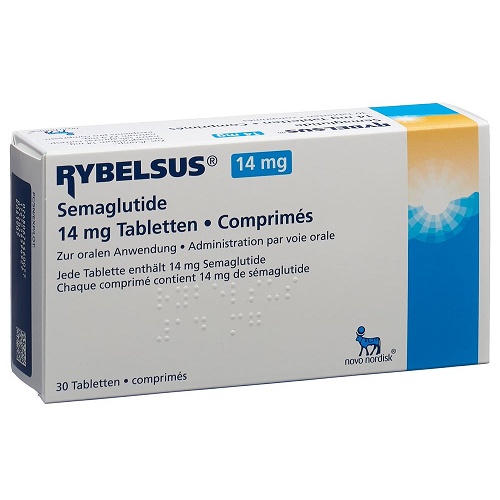
Can you obtain Rybelsus without a prescription in the United Kingdom?
Rybelsus is a prescription-only medicine in the United Kingdom. It cannot be legally obtained without a prescription issued by a qualified healthcare professional. Dispensing without a valid prescription is prohibited by UK law.
Key Takeaways: Rybelsus Use and Access in the UK
- Rybelsus is prescribed for adults with type 2 diabetes to help regulate blood sugar when diet and exercise alone are insufficient.
- A prescription from a UK-registered doctor is required to obtain Rybelsus through any pharmacy (including online sources).
- First signs of improved blood sugar are usually seen within 4–8 weeks, but full benefits may take several months.
- Common side effects include nausea and digestive upset; always report persistent or severe symptoms to your doctor.
- Rybelsus is unsuitable for certain medical conditions (e.g., history of pancreatitis, severe kidney issues); thorough medical evaluation is essential.
- Seek immediate medical advice if you experience severe stomach pain, signs of dehydration, or allergic reactions.
How does Rybelsus (semaglutide) work in the body?
Rybelsus contains semaglutide, an oral medication classified as a glucagon-like peptide-1 (GLP-1) receptor agonist. It works by mimicking the action of natural GLP-1, a hormone released after eating. GLP-1 stimulates insulin secretion, suppresses glucagon release (which reduces blood sugar levels), and slows stomach emptying. This combination effects lead to improved blood sugar control and can also support gradual weight loss.
At the biochemical level, semaglutide binds to GLP-1 receptors on pancreatic beta cells, enhancing insulin release only when blood sugar is elevated. It also acts on the brain to decrease appetite and increase satiety. Unlike insulin injections, Rybelsus does not cause hypoglycaemia (dangerously low blood sugar) unless combined with other medications that lower blood sugar.
Simplified metaphor: Think of Rybelsus as a “coach” for your pancreas, reminding it to release insulin at just the right time after meals, and helping you feel full sooner so you eat less.
No fasting or specific external triggers are required for Rybelsus to work—it is effective when taken as directed, regardless of meal timing, though proper administration is important for absorption.
Numerous clinical trials, including the PIONEER series (PubMed), have demonstrated Rybelsus’s ability to lower HbA1c (average blood sugar) by 1–1.5% in most patients after 6 months of use.
Patients Often Overestimate Speed and Simplicity of Rybelsus Results
In my experience, many people starting Rybelsus expect dramatic weight loss and instant blood sugar control within days. In reality, the changes are typically gradual. Patients sometimes judge the medication as “not working” if they do not see immediate results, missing subtle improvements reflected in their laboratory values. Many also assume taking the medicine alone will suffice, overlooking the ongoing need for dietary management and physical activity. Something patients rarely ask, but should, is how to track early warning signs of side effects or what to do if gastrointestinal discomfort persists longer than expected. I also find that some underestimate the importance of consistent timing and fasting before the dose—both crucial for optimal absorption.
How should you take Rybelsus? Dosage, administration, and timing
Rybelsus is taken as a once-daily tablet, usually starting at 3 mg daily for the first 30 days. After this, the dose is typically increased to 7 mg daily. If additional blood sugar lowering is needed, your doctor may further increase the dose to a maximum of 14 mg daily. Never exceed 14 mg per day, as higher doses have not been shown to provide additional benefits and may increase risks.
- Take Rybelsus on an empty stomach, immediately after waking up, with a small amount of water (up to 120 ml).
- Wait at least 30 minutes before eating, drinking, or taking any other oral medicines. This ensures proper absorption.
- Swallow the tablet whole—do not split, crush, or chew. The tablet’s coating is essential for the drug to survive stomach acid and reach the bloodstream.
For elderly patients or those with mild-to-moderate kidney or liver impairment, no dosage adjustments are generally required, but close clinical monitoring is essential. Rybelsus is not recommended in severe kidney failure or end-stage liver disease.
Peak effect on blood sugar reduction typically develops over several weeks. It is crucial to follow your doctor’s instructions about dose escalation and not to stop or change the dose without consulting them.
Pharmacokinetics: How is Rybelsus processed and eliminated?
Semaglutide is absorbed through the gut lining, though its bioavailability is low (about 1%), which is why strict dosing instructions must be followed. It is metabolised mainly by proteolytic cleavage (enzymatic breakdown) and then excreted via urine and faeces. The mean half-life of oral semaglutide is about 1 week (168 hours), supporting once-daily use. This means steady-state levels are reached after 4–5 weeks of consistent dosing.
No clinically meaningful accumulation occurs with once-daily dosing. The long half-life enables missed doses to have less abrupt impact, but regularity remains key for sustained glycaemic control.
Does food, drink, or lifestyle affect Rybelsus absorption and effectiveness?
Food and drink can significantly impact Rybelsus absorption. It is essential to take the tablet with no more than 120 ml (about half a glass) of plain water, and to wait at least 30 minutes before consuming anything else. Eating or drinking sooner, even small amounts, can reduce how much medication enters your system and thus its effectiveness.
- High-fat meals have not been shown to directly interact, but eating before the 30-minute window will decrease absorption.
- Alcohol is not strictly prohibited, but heavy alcohol use can increase the risk of low blood sugar, especially if taken with other diabetes medicines. It is advisable to limit alcohol intake (no more than 14 units per week as per NHS guidance) and avoid binge drinking.
- Grapefruit juice does not significantly affect semaglutide’s metabolism, unlike several other drugs, so is not specifically contraindicated.
Consistent timing and fasting state are much more important than specific food types. Skipping or delaying the dose, or eating too soon afterwards, are the most common reasons for suboptimal results.
Compatibility Check: Rybelsus with Common Medications and Products
| Type of Product | Can It Be Combined? | Consequences / Notes |
|---|---|---|
| Metformin | Yes | Often prescribed together, but monitor for GI side effects. |
| Sulfonylureas (e.g., gliclazide) | With caution | Increased risk of low blood sugar. |
| Insulin | With caution | May require insulin dose reduction to avoid hypoglycaemia. |
| Paracetamol | Yes | No significant interaction. |
| Antibiotics | Yes | No significant interaction, but separate doses by at least 30 minutes. |
| Alcohol | Limit | May increase GI side effects and risk of hypoglycaemia. |
Who should not take Rybelsus? (Absolute and relative contraindications)
Absolute contraindications (must not be used):
- History of hypersensitivity to semaglutide or any excipient in the formulation.
- Personal or family history of medullary thyroid carcinoma (MTC) or Multiple Endocrine Neoplasia syndrome type 2 (MEN 2).
- Pregnancy and breastfeeding (insufficient safety data).
- Severe kidney failure (eGFR < 15 mL/min/1.73 m²) or end-stage renal disease.
- History of pancreatitis (inflammation of the pancreas) without thorough specialist assessment.
- Moderate kidney impairment (eGFR 15–30 mL/min/1.73 m²).
- Severe liver impairment.
- Active diabetic retinopathy (risk of worsening with rapid blood sugar improvements).
- History of severe gastrointestinal disease (e.g., gastroparesis, inflammatory bowel disease).
- Concurrent use of other GLP-1 receptor agonists (risk of overdose).
Cardiovascular risks: Rybelsus is generally safe for most people with heart disease and has been shown to reduce major adverse cardiovascular events in some studies, but it should not be started soon after an acute heart attack or stroke without specialist input. Always discuss your full medical history with your consultant.
What side effects are most common with Rybelsus?
Like all medicines, Rybelsus can cause side effects, though not everyone experiences them. Side effects are classified as follows (per WHO guidelines):
- Very common (>1 in 10): Nausea, diarrhoea, decreased appetite, stomach pain, constipation.
- Common (>1 in 100 to <1 in 10): Vomiting, indigestion, bloating, fatigue, mild hypoglycaemia (especially if combined with other diabetes medicines), headache.
- Uncommon (>1 in 1,000 to <1 in 100): Gallbladder problems (cholelithiasis), increased lipase or amylase enzymes.
- Rare (>1 in 10,000 to <1 in 1,000): Pancreatitis, allergic reactions (rash, swelling, difficulty breathing).
Mechanism behind most side effects: The gastrointestinal symptoms (nausea, vomiting, diarrhoea) are linked to slowed stomach emptying and changes in gut hormone signalling. These often improve with continued use but can lead to dehydration if severe or persistent.
Serious but rare risks:
- Pancreatitis: Sudden severe stomach pain, vomiting. Stop the medication and seek emergency help.
- Severe allergic reaction (anaphylaxis): Swelling of face/tongue/throat, difficulty breathing, dizziness. Call 999 immediately.
- Diabetic retinopathy complications: Rapid improvement in blood sugar may worsen pre-existing eye disease in some cases. Regular eye checks are essential.
What to do if side effects occur:
- For mild nausea or GI upset: Eat smaller meals, avoid rich or fatty foods, and consult your doctor if symptoms persist beyond 2–4 weeks.
- For vomiting or diarrhoea: Ensure adequate fluid intake; seek medical advice for persistent, severe, or bloody symptoms.
- For any signs of allergy, severe abdominal pain, or vision changes: Seek immediate medical attention.
Everyday Errors Patients Make with Rybelsus (and How to Avoid Them)
- Taking the tablet with too much water or not enough fasting: Swallowing with a full glass, or eating/drinking within 30 minutes, can reduce absorption and make treatment less effective. Always use up to 120 ml water and fast for at least 30 minutes afterwards.
- Chewing or splitting the tablet: Damages the protective coating and can inactivate the medication. Always swallow whole.
- Stopping Rybelsus abruptly after initial nausea: Mild digestive symptoms are common early on. Stopping too soon before your body adapts may mean missing long-term benefits. Discuss symptoms with your doctor before discontinuing.
- Skipping doses or irregular timing: Inconsistent use leads to unstable blood sugar levels and reduces the chance of seeing meaningful improvement.
- Not telling your doctor about new or worsening symptoms: Some patients ignore persistent abdominal pain, which can signal serious issues needing immediate review.
- Using “double doses” if a dose is missed: This can increase the risk of side effects without improving efficacy. Follow your doctor’s advice for missed doses.
How does Rybelsus compare with alternative type 2 diabetes treatments in the UK?
Rybelsus is the first oral GLP-1 receptor agonist available in the UK, offering a non-injectable option for patients not well controlled on metformin or other oral agents. The table below compares Rybelsus with other common therapies:
| Medication | Formulation | Onset of Effect | Duration | Very Common Side Effects | Estimated Price per Month (GBP) |
|---|---|---|---|---|---|
| Rybelsus (semaglutide) | Oral tablet (3, 7, 14 mg) | 2–6 weeks | 24 hrs (steady-state after ~4 weeks) | Nausea, diarrhoea | £78–£90 |
| Ozempic (semaglutide injection) | Weekly injection | 1–4 weeks | 7 days | Nausea, vomiting | £73–£80 |
| Dulaglutide (Trulicity) | Weekly injection | 1–4 weeks | 7 days | GI upset | £73–£85 |
| Metformin | Oral tablet | Days–weeks | 8–12 hrs (per dose) | GI upset | £0.50–£2.00 |
Bottom line: Rybelsus offers the convenience of tablets with similar efficacy to injectable GLP-1 agonists, though at a higher cost than metformin. It is typically prescribed when metformin alone does not provide adequate control or when injectable therapy is not preferred.
Questions Patients Commonly Ask Their Doctor about Rybelsus Therapy
- How will I know if Rybelsus is working for me?
- Blood glucose monitoring is key—look for improved readings and reduced HbA1c over time. Symptom improvements (less thirst, more energy) may also be noticed, but laboratory tests give the clearest answer. Discuss results with your doctor at each follow-up.
- What should I expect during the first few weeks on Rybelsus?
- Some stomach upset, especially nausea, is common. This usually settles as your body adjusts. Don’t be discouraged if changes in blood sugar are slow at first; full effects take time.
- Is Rybelsus suitable for weight management?
- Rybelsus is licensed for type 2 diabetes, but modest weight loss is a frequent “side benefit.” The amount varies—some patients lose several kilograms, others may not notice much change.
- Do I need to alter my diet or physical activity after starting Rybelsus?
- Yes—medication is most effective when combined with ongoing healthy eating and regular exercise. Rybelsus is not a substitute for lifestyle measures.
- How often should my progress be checked?
- Typically, blood tests are done every 3–6 months to assess HbA1c and kidney function. More frequent review may be needed at the start or if side effects occur.
- If I feel well, can I skip doses or stop taking Rybelsus?
- No—diabetes is a chronic condition that often requires continuous management. Skipping doses can cause blood sugar to rise again. Always discuss any changes with your doctor.
- Can I drive or operate machinery while taking Rybelsus?
- Most patients can drive safely, but if you are on other diabetes medications that cause hypoglycaemia (like sulfonylureas or insulin), this risk increases. Always monitor for symptoms of low blood sugar, especially when adjusting therapy.
Technical Information: Rybelsus Product Characteristics
| Parameter | Value |
|---|---|
| Active ingredient | Semaglutide |
| Formulation | Oral tablet (3 mg, 7 mg, 14 mg) |
| Administration | Once daily, on empty stomach |
| Half-life | ~168 hours (7 days) |
| Storage | Below 30°C, in original packaging |
| Prescription required | Yes (UK) |
Step-by-Step: How to get Rybelsus in the United Kingdom
- Book a consultation with your GP or diabetes specialist—this may be in-person or via NHS-approved telemedicine services.
- Undergo a full medical assessment including blood tests, blood pressure, and a review of your diabetes history and current treatments.
- If appropriate, your doctor will issue a prescription for Rybelsus, usually starting at 3 mg daily.
- Take your prescription to a registered pharmacy—either a local NHS pharmacy, a large chain (e.g., Boots, Lloyds), or a CQC-registered online pharmacy.
- Pharmacist will check for potential interactions and counsel you on proper administration.
- Collect the medication in person or arrange for secure delivery via a licensed online service if eligible.
- Schedule follow-up appointments with your doctor to monitor response, side effects, and adjust the dose if needed.
Online Pharmacy Safety in the United Kingdom: What Patients Need to Know
Obtaining Rybelsus safely online requires vigilance. Always use pharmacies registered with the General Pharmaceutical Council (GPhC) and displaying the official “distance selling logo.” Licensed UK online pharmacies must verify prescriptions, offer pharmacist support, and provide contact details.
- Avoid any website willing to supply prescription medicines without a valid UK prescription. This is illegal and poses serious safety risks.
- Check for GPhC registration (GPhC register), the “green cross” logo, and UK-based contact details.
- Be wary of suspiciously low prices, overseas shipping, or promises of “no prescription needed.”
- Counterfeit medicines are a significant risk—these may contain incorrect ingredients or none at all.
- Always report suspect sites to the MHRA (Medicines and Healthcare products Regulatory Agency).
How can you spot counterfeit Rybelsus? Original versus generic guidance
Authentic Rybelsus in the UK is manufactured by Novo Nordisk and comes in branded blister packs inside a cardboard box. Each pack should display:
- Distinctive Novo Nordisk logo and blue/white packaging.
- Batch number, expiry date, and a UK marketing authorisation number (PL number).
- Clear tablet engraving (NN on one side, the dose on the other).
- Patient leaflet with English language and licensing info.
- Genuine packs may feature a QR code or hologram (check with your pharmacy for the latest packaging updates).
Warning signs of counterfeits: Misspelt packaging, faded printing, missing batch or PL numbers, tablets with uneven colour or no engraving, or unusually low prices.
Generics: As of 2026, Rybelsus’s patent is set to expire in late 2026. At present, no licensed generic semaglutide tablets are available in the UK. When generics do become available, they must match the original in active ingredient, dose, and effect, but may contain different excipients (inactive ingredients). Some people with allergies or sensitivities should check the full ingredient list with their pharmacist.
Advantage of generics: Lower price and equivalent efficacy if purchased from a licensed UK pharmacy. Always ask for a patient information leaflet and check packaging for UK regulatory details.
How should original Rybelsus look?
- White round tablets, engraved with “NN” and strength (“3”, “7”, or “14”).
- Branded blister strip with batch/expiry details.
- Blue/white outer box with manufacturer and UK-specific product licence number.
- Patient information leaflet stating Novo Nordisk as manufacturer.
- May have a security hologram or QR code (check with your pharmacist if unsure).
Myth vs Reality: Rybelsus and Treatment Expectations
- Myth: “Rybelsus works instantly after the first dose.”
- Reality: It can take weeks to see meaningful blood sugar improvements; patience and regular use are key.
- Myth: “If I feel sick at first, the medicine isn’t right for me.”
- Reality: Mild stomach upset is common initially and usually subsides. Always talk to your doctor before stopping.
Safety steps if you think you have taken too much Rybelsus (Overdose guidance)
- Stop taking Rybelsus immediately.
- Contact NHS 111 or your GP as soon as possible. If you feel very unwell (severe vomiting, dehydration, fainting), call 999 for emergency help.
- Inform the healthcare professional about the dose and time taken, and any other medicines or supplements you are using.
- Do not try to induce vomiting or treat the overdose on your own.
Symptoms of overdose may include severe nausea, vomiting, diarrhoea, and dehydration. There is no specific antidote; treatment is supportive and based on symptoms.
Rybelsus in special groups: Elderly, kidney/liver disease, pregnancy, and driving
- Elderly (65+): Generally safe at standard doses, though sensitivity to gastrointestinal side effects may be higher; close monitoring recommended.
- Kidney impairment: Not recommended in severe kidney failure (eGFR < 15 mL/min/1.73 m²). Mild/moderate impairment may not require dose change but should be closely monitored.
- Liver impairment: Use with caution; insufficient data in severe liver disease.
- Pregnancy and breastfeeding: Not recommended due to lack of safety data. Effective contraception should be used during treatment and for at least 2 months after stopping.
- Driving and machinery: Rybelsus alone doesn’t cause hypoglycaemia, but risk increases if used with other medication. Always monitor blood sugar before driving.
Fertility and family planning
Animal studies have shown some adverse effects on fertility at high doses, but human data are limited. As a precaution, Rybelsus should be avoided during pregnancy and while breastfeeding. Discuss family planning and contraception with your healthcare provider before starting treatment.
Empathy: Coping with type 2 diabetes and medication changes
Type 2 diabetes is common and manageable, and you are not alone in needing medication like Rybelsus. Feeling anxious about new treatments is normal—consider discussing your experiences with a partner, support group, or diabetes specialist nurse.
What should you do if Rybelsus does not work as expected?
If you do not see improvements in your blood sugar levels after several months of regular use, or if you experience persistent side effects, don’t stop the medicine on your own. Book a review with your doctor; they may adjust your dose, check for interactions, or consider alternative therapies. Regular monitoring and open communication are essential for effective diabetes management.
doctor’s Clinical Assessment: Selecting Candidates for Rybelsus
In my clinical practice, Rybelsus has proven most effective for adults with type 2 diabetes who have not achieved adequate control with metformin and lifestyle changes, particularly those who prefer an oral option over injections. It is also valuable for patients with established cardiovascular risk, given emerging evidence of benefit in this population. On the other hand, I am cautious in individuals with significant gastrointestinal disorders, recent history of pancreatitis, or advanced renal impairment, where alternatives may be safer. For patients with a strong preference for injectables, or those needing rapid, large reductions in blood sugar, weekly GLP-1 agonist injections or insulin may be more appropriate. The choice between Rybelsus and other therapies should always weigh personal preferences, co-existing health conditions, tolerability, and practicalities of administration. Reassessment is warranted if expected benefits are not seen after dose optimisation and adherence is confirmed.
Frequently Asked Questions about Rybelsus in the UK
- Is Rybelsus available on the NHS?
- Yes. Rybelsus is included in the NHS prescribing formulary for adults with type 2 diabetes who meet the criteria, typically after first-line therapies have been tried and if additional blood sugar control is needed.
- How much does Rybelsus cost in the UK?
- The retail price is approximately £78–£90 per month depending on the dose. If prescribed on the NHS, you may pay the standard prescription charge unless you are exempt.
- Can I get Rybelsus from an online pharmacy?
- Yes, but only from UK-registered online pharmacies with a valid prescription. Beware of unregulated sites; always check for General Pharmaceutical Council (GPhC) registration.
- How quickly does Rybelsus start working?
- Some blood sugar improvement can be seen within a few weeks, but full effects may take several months of regular use. Dose increases are usually gradual to minimise side effects.
- What happens if I miss a dose?
- Skip the missed dose and take your next tablet as usual the following day. Do not take a double dose to make up for the missed tablet.
- Can I use Rybelsus with other diabetes medicines?
- Yes, Rybelsus can be combined with metformin, SGLT2 inhibitors, or (in some cases) insulin or sulfonylureas. Your doctor will advise on the safest combination and monitor for low blood sugar.
- How long will I need to take Rybelsus?
- Rybelsus is intended for long-term use as part of ongoing diabetes management. Duration depends on individual response and tolerability.
- Does Rybelsus cause weight loss?
- Many patients experience modest weight loss, but this varies. Rybelsus is not licensed specifically for weight loss in the UK.
- Can pregnant or breastfeeding women use Rybelsus?
- No. Rybelsus is not recommended during pregnancy or breastfeeding due to a lack of safety data.
- Do I need regular blood tests while on Rybelsus?
- Yes. Your doctor will monitor your HbA1c (average blood sugar), kidney function, and sometimes liver function every 3–6 months.
Sources / References
- Medicines and Healthcare products Regulatory Agency (MHRA), https://www.gov.uk/government/organisations/medicines-and-healthcare-products-regulatory-agency
- National Institute for Health and Care Excellence (NICE), https://www.nice.org.uk/guidance
- NHS Diabetes UK, https://www.diabetes.org.uk/
- European Medicines Agency (EMA), Rybelsus product information, https://www.ema.europa.eu/
- PubMed – Clinical studies on oral semaglutide (PIONEER trials), https://pubmed.ncbi.nlm.nih.gov/
- Novo Nordisk UK (manufacturer), https://www.novonordisk.co.uk/