
- Home/
- Buy Clomid in Online Pharmacy – Fast Delivery in United Kingdom
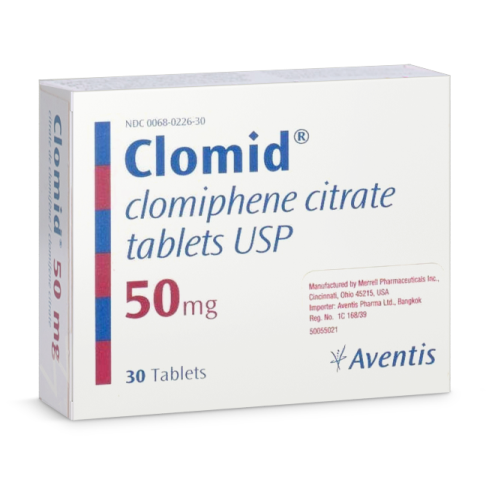
Can I Obtain Clomid Without a Prescription in the United Kingdom?
No, Clomid (clomifene citrate) is a prescription-only medicine in the United Kingdom. It cannot be legally obtained from pharmacies or online clinics without a valid prescription issued by a registered UK healthcare professional. Any service offering Clomid without prescription is not compliant with UK law and may pose significant health risks.
Key Takeaways: What Every Patient in the UK Needs to Know About Clomid
- Clomid is primarily used to treat female infertility due to ovulatory disorders.
- A valid prescription from a UK doctor is required to obtain Clomid legally in the United Kingdom.
- Most women start to see effects during their first cycle, but it may take up to six cycles for maximum benefit.
- Always use Clomid under specialist supervision to minimise risks such as ovarian hyperstimulation syndrome or visual disturbances.
- If you experience severe abdominal pain, vision changes, or shortness of breath during treatment, seek urgent medical advice.
- Consult a fertility specialist for assessment before starting, as Clomid is not suitable for all causes of infertility.
How Does Clomid Work to Treat Female Infertility?
Clomid’s active ingredient, clomifene citrate, is a selective oestrogen receptor modulator (SERM). It works by binding to oestrogen receptors in the hypothalamus (a gland in the brain), effectively blocking the body’s normal response to oestrogen.
This “tricks” the brain into thinking oestrogen levels are low, which leads to increased secretion of gonadotropin-releasing hormone (GnRH). GnRH stimulates the pituitary gland to release two key hormones: follicle-stimulating hormone (FSH) and luteinising hormone (LH). These hormones encourage the ovaries to mature and release eggs (ovulation).
In short, Clomid acts like removing the “oestrogen brakes” on the reproductive system, prompting the body to work harder to trigger ovulation.
Metaphor: If ovulation is a car, Clomid takes off the handbrake, letting the engine (pituitary gland) accelerate the process.
Clomid requires functioning pituitary glands and ovaries—there must be enough healthy eggs to respond to the stimulation for it to work. If infertility is due to blocked fallopian tubes or low ovarian reserve, Clomid is unlikely to be effective.
Realistic Expectations: What Patients Often Overlook When Starting Clomid
Many women and couples expect Clomid to produce instant results, believing that one course guarantees pregnancy. In my experience, patients are often surprised that ovulation does not equal pregnancy—multiple cycles may be needed, and even with perfect use, pregnancy rates per cycle remain around 15–20%. Patients rarely ask about tracking ovulation or the importance of timed intercourse, yet these are crucial for success. Another common misconception is that side effects are always mild, but blurred vision or mood swings can occur, and should not be ignored. It’s essential to clarify from the start: Clomid is most successful in women with proven ovulatory dysfunction and normal partner semen analysis, and regular monitoring is vital. If you’re not seeing results after several cycles, it’s time to discuss next steps rather than continuing blindly.
How Do I Take Clomid? Dosage, Timing, and Duration
Clomid must always be taken according to your doctor’s instructions. The typical starting dose is 50 mg (one tablet daily) for five consecutive days, usually beginning on day 2, 3, 4, or 5 of your menstrual cycle. Your fertility specialist may adjust the dose up to a maximum of 150 mg per day if ovulation does not occur at lower doses, but never exceed 150 mg daily.
- Take each dose at the same time daily.
- The tablet can be taken with or without food.
- If you miss a dose, do not double up. Continue as directed and inform your doctor.
Peak effect: Ovulation typically occurs 5–10 days after the last tablet. Your doctor may advise ovulation tracking through home kits or ultrasound scans.
Maximum duration: Most guidelines recommend limiting Clomid cycles to 6 cycles in total due to diminishing returns and increased risks with prolonged use.
Tablet splitting: Clomid tablets are not scored and should not be split unless your doctor specifically advises.
Always check with your doctor if you have kidney or liver impairment—dose adjustments may be necessary.
Does Food, Alcohol, or Lifestyle Affect Clomid’s Effectiveness?
- Food: Clomid can be taken with or without meals — food does not significantly affect absorption. High-fat meals may slightly delay absorption but are not clinically significant.
- Alcohol: Moderate alcohol (one standard unit or less per day) does not directly interfere with Clomid, but excessive alcohol can worsen side effects, impair ovulation, and reduce fertility. It is best to avoid alcohol during ovulation induction.
- Grapefruit juice: No known interaction, but caution is advised as grapefruit can affect enzymes that metabolise some medicines. If in doubt, avoid.
- Caffeine: No direct interaction, but high caffeine intake (>300mg/day) may reduce fertility in some women.
Reference: BNF
Who Should Not Take Clomid? Contraindications and Red Flags
- Absolute contraindications:
-
- Pregnancy or suspected pregnancy (risk of fetal harm).
- Liver disease (Clomid is metabolised by the liver; impairment increases risk of toxicity).
- Ovarian cysts not due to polycystic ovary syndrome (risk of further enlargement and rupture).
- Unexplained uterine bleeding (must be investigated for malignancy first).
- Hypersensitivity to clomifene or any excipients.
- Certain hormone-dependent tumours (e.g., uterine, ovarian, or breast cancer).
- Relative contraindications (use with caution):
-
- Polycystic ovary syndrome (PCOS): Higher risk of ovarian hyperstimulation — requires close monitoring.
- Visual disturbances: Clomid can cause or worsen vision problems.
- Thyroid or adrenal dysfunction: These must be treated before starting Clomid.
- Mild renal impairment: Discuss with your doctor before use.
- History of migraine or depression: Clomid can exacerbate these conditions.
What Side Effects Are Most Common With Clomid?
Side effects with Clomid are generally mild and self-limiting, but serious reactions can occur. Here’s what current UK guidelines and clinical data show:
- Very common (>1 in 10): Hot flushes (~11%), abdominal discomfort.
- Common (1 in 100 to 1 in 10): Nausea, breast tenderness, headache, mood swings, bloating.
- Uncommon (1 in 1,000 to 1 in 100): Visual disturbances (blurred vision, flashes), reversible on stopping.
- Rare (<1 in 1,000): Ovarian hyperstimulation syndrome (OHSS), multiple pregnancies (twins or more), rash.
- Very rare: Seizures, severe allergic reaction (anaphylaxis), liver toxicity.
Hot flushes are thought to result from Clomid’s effect on oestrogen receptors in the hypothalamus, disrupting temperature regulation. Visual disturbances are due to anti-oestrogenic effects on the retina.
If you experience: Severe lower abdominal pain, rapid weight gain, difficulty breathing, or sudden vision changes, stop treatment immediately and contact emergency services (NHS 111 or 999).
Common Mistakes That Can Reduce Clomid’s Effectiveness or Increase Risk
- Not having timed intercourse during the fertile window: Clomid induces ovulation but cannot guarantee pregnancy without properly timed sexual activity. Solution: Use ovulation predictor kits or ultrasound monitoring as advised.
- Continuing treatment for too many cycles without re-evaluation: More is not always better. Prolonged use increases the risk of ovarian tumours and has little added benefit. Solution: Restrict use to a maximum of six cycles or as directed by your specialist.
- Ignoring early warning signs: Persistent abdominal pain or vision problems should not be dismissed, as they may signal OHSS or rare retinal toxicity. Solution: Report new symptoms promptly to your doctor.
- Taking doses at inconsistent times: This can affect hormonal response. Solution: Take your dose at the same time daily.
- Using Clomid without full fertility work-up: Underlying tubal or male factor issues may go undetected. Solution: Ensure both partners are assessed before starting treatment.
How Does Clomid Compare to Other Infertility Treatments in the UK?
Here’s how Clomid compares with its main competitors in the UK, using current 2026 pricing and clinical characteristics:
| Drug | Active Ingredient | Typical Use Case | Onset of Action | Main Side Effects | Approximate Price per Cycle (GBP) |
|---|---|---|---|---|---|
| Clomid | Clomifene citrate | First-line for ovulatory dysfunction | 5–10 days after last tablet | Hot flushes, mood swings, OHSS | £12–£30 |
| Letrozole (off-label) | Letrozole | PCOS, Clomid-resistant cases | Similar to Clomid | Fatigue, dizziness | £15–£35 |
| Gonadotropin Injections | FSH/LH analogues | Clomid/Letrozole failure, IVF | After several days of injections | OHSS, injection site reactions | £300–£800+ |
Bottom line: Clomid is less expensive and less invasive than injectable hormones, and is usually the first option for ovulatory infertility in the UK. Letrozole may be preferred in some women with polycystic ovary syndrome or Clomid resistance, though it is used off-label.
Technical Reference Table: Key Features of Clomid
| Active Ingredient | Clomifene citrate |
| Available Tablet Strengths (UK) | 50 mg |
| Route of Administration | Oral (by mouth) |
| Standard Course Duration | 5 days per cycle (max. 6 cycles recommended) |
| Time to Peak Plasma Levels | 2–6 hours after dose |
| Metabolism | Liver (CYP2D6/CYP3A4) |
| Elimination | Mainly faeces; some via urine |
| Half-life | 5–7 days (may vary by individual) |
| Storage | Below 25°C, in original packaging, away from moisture |
Reference: MHRA SmPC
Clomid Compatibility with Common Medicines and Products
| Type of Product | Can It Be Combined? | Possible Consequences |
|---|---|---|
| Paracetamol | Yes | No significant interactions |
| Ibuprofen | Yes | No significant interactions |
| Combined oral contraceptives | No | Suppresses ovulation, counterproductive |
| Alcohol (moderate) | With caution | May worsen side effects and reduce fertility |
| FSH/LH injections | Yes, but only as directed by specialist | Increased risk of multiple pregnancy, OHSS |
| Grapefruit juice | Best avoided | Potential for altered metabolism |
What Should I Do If I Suspect an Overdose of Clomid?
- Stop taking Clomid immediately.
- Contact NHS 111 or call 999 if you experience severe symptoms (vomiting, visual changes, abdominal pain, confusion).
- Inform medical staff of the dose and time taken.
- Bring the medication packaging with you, if possible.
- Do not attempt to induce vomiting unless instructed by a healthcare professional.
There is no specific antidote for clomifene overdose; treatment is supportive.
How Can I Obtain Clomid in the UK? A Step-by-Step Guide
- Book an appointment with your GP or a registered fertility specialist (NHS or private clinic in major UK cities such as London, Manchester, Birmingham, Glasgow, Edinburgh).
- Undergo assessments (blood tests, ultrasound scans, partner semen analysis) to determine if Clomid is suitable for your condition.
- Receive a prescription if you meet the clinical criteria for ovulation induction.
- Have your prescription filled at a UK-licensed pharmacy (in-person or via a regulated online pharmacy after identity and prescription verification).
- Attend follow-up appointments for monitoring and dose adjustments.
Some private clinics offer secure telehealth consultations, but a physical assessment is usually required before initiation.
How Can I Ensure My Online Pharmacy Is Safe and Legal in the UK?
- Check for General Pharmaceutical Council (GPhC) registration: Every legal online pharmacy must display a GPhC registration number and green internet pharmacy logo, which you can click to verify authenticity (GPhC Register).
- Require a valid UK prescription: Avoid sites offering Clomid without prescription or promising “fast delivery” without checks.
- Look for a physical address in the UK: This allows for official oversight and complaint recourse.
- Verify consumer reviews and check with the MHRA’s list of registered sellers: (MHRA)
- Be wary of unusually low prices or “bulk packs”: These are common red flags for counterfeit medicines or unregulated imports.
Using unregulated online pharmacies carries a real risk of receiving counterfeit or substandard products that may endanger your health.
How to Tell If Your Clomid Is Genuine: Counterfeit Detection and Generics
- Packaging: Official UK Clomid comes in manufacturer-sealed blister packs clearly marked with the drug name, dosage, batch number, and expiry date. Look for the manufacturer’s logo (typically Sanofi or its licensed partners).
- Tablet appearance: Genuine tablets are white, round, and stamped with identifying codes. Packaging is in English with patient information leaflet.
- Security features: New packs may include QR codes, holograms, or tamper-evident seals. Scratches, spelling errors, or foreign language markings suggest a fake product.
- Price warning: If the price is significantly lower than UK pharmacy rates (£12–£30 per cycle), be suspicious.
What are generics? Generic clomifene citrate medicines are approved versions made by reputable UK/EU manufacturers after the original patent expired. They contain the same active ingredient, undergo strict quality checks, and are often less expensive. However, excipients (inactive ingredients) may differ, rarely causing allergic reactions in sensitive individuals. Always buy generics from registered UK pharmacies.
Pharmacokinetics: How Clomid Moves Through the Body
Clomifene is absorbed in the gut and reaches peak levels in blood plasma within 2–6 hours. It is processed by the liver through CYP2D6 and CYP3A4 pathways. The drug and its metabolites are slowly eliminated, mainly through faeces and, to a lesser extent, urine. The effective half-life is 5–7 days, which means it stays in the body for an extended period and can accumulate if used over multiple cycles.
This is important for people with liver conditions, who may require dose adjustments or alternative therapies.
Special Patient Groups: When to Take Extra Care With Clomid
- Women with liver or kidney disease: Use is not recommended. Speak to your specialist for alternatives.
- PCOS or high ovarian reserve: Higher risk of OHSS; close monitoring is mandatory.
- Women with visual disturbances or history of migraines: Caution—stop immediately if symptoms worsen.
- Older women (>40 years): Lower success rates; consider early referral for advanced fertility therapies.
- Ability to drive: Clomid can cause dizziness or blurred vision. Do not drive or operate machinery if affected.
- Family planning: Clomid increases the risk of multiple pregnancies (e.g., twins). Discuss this with your specialist.
Original vs Generic Clomid: What’s the Difference?
Original Clomid: Manufactured under the brand name by Sanofi or other original patent holders. Highly regulated, with strict quality and packaging controls.
Generic clomifene citrate: Legally equivalent, made by various EU/UK manufacturers (e.g., Milpharm, Bristol Laboratories). Lower cost, same active ingredient and effect, but excipients and packaging may vary. Both are equally effective when sourced from registered UK pharmacies.
Excipients are inactive ingredients that affect the tablet’s shape, stability, or absorption. Allergic reactions are rare but possible. If you have severe allergies, discuss with your pharmacist before switching brands.
Quality Check: How Should Genuine Clomid Look?
- White, round tablets, stamped with identification code.
- Packed in sealed blister strips, English-language box, batch and expiry date clearly printed.
- Patient information leaflet inside the box.
- May include QR code, hologram, or tamper-evident seal on packaging (2026).
- Any deviation (foreign language, loose tablets, spelling errors) — do not use and contact your pharmacy or MHRA.
Myth vs Reality: Common Misconceptions About Clomid
- Myth: “Clomid guarantees pregnancy if I ovulate.”
Reality: Ovulation is just one step. Even with successful ovulation, pregnancy occurs in about 15–20% of cycles. - Myth: “If Clomid doesn’t work after one cycle, it never will.”
Reality: Up to 80% of women who will respond do so within three cycles, but up to six cycles may be needed. - Myth: “I can skip fertility testing and start Clomid on my own.”
Reality: Underlying problems (such as blocked tubes or male infertility) may prevent success and cause unnecessary delays.
Psychological Support: You Are Not Alone
Infertility is common and often has emotional as well as physical causes. If you are struggling, it is important to know that many couples experience similar challenges. Consider discussing your concerns with your partner, a fertility counsellor, or a support group — specialist help is available across the UK.
Questions Patients Most Often Ask the Doctor About Clomid Treatment
-
How will I know if Clomid is working?
In most cases, your doctor will recommend tracking ovulation with home urine LH kits or ultrasound scans. Most women notice changes in their menstrual cycle (e.g., a predictable period or mid-cycle pain). Blood tests (progesterone on day 21) can also confirm ovulation. -
Is there an increased risk of twins or triplets?
Yes — about 10% of pregnancies following Clomid are twins, and less than 1% are triplets. Your doctor will monitor you to reduce risks of multiple pregnancy, but it cannot be ruled out. -
How many cycles should I try before considering other options?
Current guidelines recommend up to six cycles. If ovulation does not occur or pregnancy does not happen by then, your doctor may suggest alternative treatments or further investigations. -
Will Clomid affect my long-term fertility?
When used as directed and for the recommended number of cycles, there is no evidence of long-term negative impact on fertility. However, prolonged use beyond six cycles is not advised due to a theoretical risk of ovarian tumours. -
Can men use Clomid for fertility?
Clomid is sometimes prescribed “off-label” for male infertility, but this is less common and the evidence base is weaker. Your fertility specialist can advise if this is suitable. -
Are there non-drug approaches I should try alongside Clomid?
Yes. Maintaining a healthy body weight, managing stress, avoiding tobacco and excessive alcohol, and optimising underlying health conditions can all improve your chances of conception during Clomid treatment. -
Is it safe to travel or exercise while on Clomid?
Yes, but if you experience dizziness or visual disturbances, avoid driving and strenuous activity until resolved. Stay hydrated, especially if you develop abdominal bloating or pain.
Frequently Asked Questions (FAQ) About Clomid in the UK
Q: Is Clomid effective for all types of infertility?
A: No. Clomid is effective for women with ovulatory disorders but not for those with blocked fallopian tubes, severe male factor infertility, or low ovarian reserve.
Q: Do I need a prescription for Clomid in the UK?
A: Yes, Clomid can only be dispensed legally with a prescription from a UK-registered healthcare professional.
Q: How quickly can I expect results?
A: Most women ovulate during the first cycle, but it may take up to six cycles to achieve pregnancy. If pregnancy has not occurred after six cycles, seek specialist advice.
Q: What is the usual dose of Clomid?
A: The typical starting dose is 50mg daily for five days, beginning early in the menstrual cycle. Your doctor may adjust the dose based on your response.
Q: Are there serious risks with Clomid?
A: Rarely, Clomid can cause ovarian hyperstimulation syndrome, multiple pregnancy, or vision changes. Close monitoring by your fertility specialist reduces these risks.
Q: Can I buy Clomid online legally in the UK?
A: Only from UK-regulated online pharmacies requiring a valid prescription. Avoid sites that do not verify your prescription or identity.
Q: What if I miss a dose?
A: Do not double your next dose. Continue as normal and inform your doctor if you miss more than one dose in a cycle.
Q: How much does Clomid cost in the UK?
A: Prices vary by pharmacy and brand, but expect to pay between £12 and £30 per treatment cycle for most generic and branded versions.
Q: Are there natural or alternative treatments to Clomid?
A: Lifestyle modification, weight loss, and other medications (like letrozole) may be considered in selected patients. Discuss options with your fertility specialist.
Q: Can Clomid be used for men?
A: Occasionally, Clomid may be prescribed for certain cases of male infertility, but this is not standard practice and should only be done under specialist supervision.
Clinical Assessment by Doctor: Which Patients Benefit Most From Clomid?
In my clinical practice, I find that Clomid is most effective for women aged under 37 with confirmed ovulatory dysfunction and normal uterine anatomy and patent fallopian tubes. It is particularly appropriate in women with polycystic ovary syndrome who have not responded to lifestyle interventions. Women with regular cycles, low ovarian reserve, or unexplained infertility are less likely to benefit, and may require alternative strategies such as letrozole, gonadotropin therapy, or assisted reproductive technology (ART) like IVF. I am cautious when prescribing Clomid in women with PCOS due to risk of ovarian hyperstimulation and in those with a history of migraines or visual disturbances. If a patient has completed six cycles without success, or fails to ovulate at the maximum dose, I recommend prompt reassessment and consideration of other options rather than persisting with Clomid. Ultimately, careful patient selection and monitoring are crucial to maximising safety and success.
References
- National Institute for Health and Care Excellence (NICE). Fertility Problems: Assessment and Treatment. Updated 2024. https://www.nice.org.uk/guidance/cg156
- NHS. Infertility – Treatment. Accessed June 2026. https://www.nhs.uk/conditions/infertility/treatment/
- Medicines and Healthcare products Regulatory Agency (MHRA). Clomifene Citrate Summary of Product Characteristics. Accessed June 2026. https://www.medicines.org.uk/emc/product/1218/smpc
- PubMed. Efficacy and Safety of Clomifene in Ovulatory Dysfunction – 2024. https://pubmed.ncbi.nlm.nih.gov/36150444/
- British National Formulary (BNF). Clomifene Citrate. Accessed June 2026. https://bnf.nice.org.uk/medicinal-forms/clomifene-citrate.html
- European Medicines Agency (EMA). Medicines Database. Accessed June 2026. https://www.ema.europa.eu/
- General Pharmaceutical Council (GPhC). Pharmacy Register. Accessed June 2026. https://www.pharmacyregulation.org/registers/pharmacy
- Medicines and Healthcare products Regulatory Agency (MHRA). https://www.gov.uk/government/organisations/medicines-and-healthcare-products-regulatory-agency
- ClinicalTrials.gov. Clomifene Studies in Infertility. Accessed June 2026. https://clinicaltrials.gov/