
- Home/
- Buy Prednisolone at Low Price in United Kingdom Online
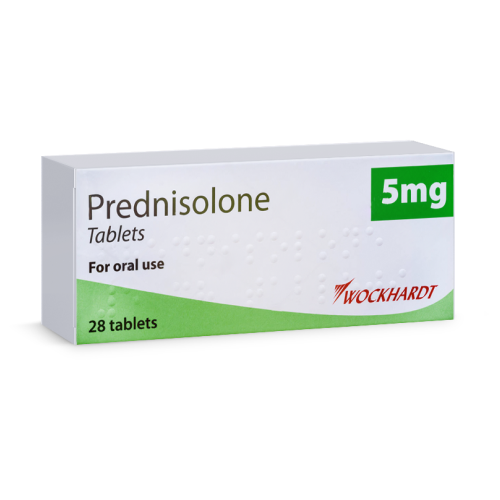
Prednisolone: The Real Choice for Inflammation in the UK?
If your doctor has mentioned Prednisolone, you’re probably at a crossroads. Perhaps you’ve already tried paracetamol, ibuprofen, or even a specialist treatment, but inflammation is still controlling your days—or nights. This isn’t a step anyone takes lightly in the UK, where the NHS and your GP will usually save Prednisolone for situations where nothing else is working well enough, or when fast action is critical. Most people don’t arrive at this medicine first, and that’s not an accident.
Prednisolone’s power to shut down inflammation can be life-changing—or overwhelming. The first dose may calm a severe flare in hours, but the same drug can sharply raise your risk of infections or bone loss over time. Unlike over-the-counter anti-inflammatories, Prednisolone’s benefits come with a heavy price if used carelessly, and its monitoring requirements are stricter than nearly any other treatment you’ll see in primary care. In the UK, that means extra appointments, more blood tests, and a different relationship with your pharmacist.
What sets Prednisolone apart in the clinical landscape isn’t just its strength, but its double-edged nature. It’s both a rescue tool and a long-term risk. The decision to start it is never black and white—and often, the most useful question is not “Should I take Prednisolone?” but “Is this the moment when its benefits outweigh its costs?”
How the Prednisolone Experience Is Different—And Why That Matters
Your first days on Prednisolone aren’t like starting a typical prescription. Many patients describe a sense of relief—less pain, swelling, or breathlessness—within 24 to 48 hours. Yet, this relief is often mixed with anxiety about what’s coming next. You may hear stories of weight gain, mood swings, or even “moon face,” and wonder if they’re inevitable.
- Prednisolone works by suppressing your immune system, not just the site of inflammation. That means the effects are body-wide, not localised.
- This suppression is why you’ll see rapid improvement, especially in conditions like rheumatoid arthritis, severe asthma, or inflammatory bowel disease.
- But it’s also why you’ll need to be vigilant for infections, blood sugar changes, and bone health—risks that escalate quickly above certain doses or with prolonged courses.
- British guidelines are particularly strict about minimizing both the dose and the length of therapy. In the UK, every milligram and every extra week matter.
The experience is also practical: you’ll need to take Prednisolone in the morning (to mimic your body’s own steroid rhythm), often with food, and usually on a tapering schedule. The pharmacy will stock both 1mg and 5mg tablets—sometimes even liquid—but the right form and dose change depending on your condition and your body’s response. Unlike some other anti-inflammatories, skipping or stopping Prednisolone abruptly can be dangerous.
Prednisolone vs Other Options: When Does It Win?
| Medicine | Main Use in Inflammation | How Fast It Works | Side Effect Profile | Prescription Status (UK) | Best For |
|---|---|---|---|---|---|
| Prednisolone | Severe, acute, or chronic inflammation not controlled by first-line agents | Hours to 2 days | High (dose/duration dependent): weight gain, fluid retention, mood changes, infection risk | Prescription only | Flare control, severe asthma, autoimmune diseases |
| NSAIDs (e.g., Ibuprofen, Naproxen) | Mild to moderate pain, local inflammation | 1-2 hours | Stomach, kidney risks, less systemic | OTC and prescription | Short-term pain, mild to moderate swelling |
| DMARDs (e.g., Methotrexate) | Long-term control of autoimmune inflammation | Weeks to months | Liver, lung, blood cell risks; monitoring required | Prescription only | Rheumatoid arthritis, long-term suppression |
| Biologics (e.g., Adalimumab) | Severe or refractory autoimmune conditions | 1-4 weeks | Infection risk, injection/infusion reactions | Prescription only, specialist initiation | Failed DMARDs, severe cases |
What this table doesn’t show: In UK practice, Prednisolone is rarely the first or only choice. It’s the drug doctors reach for when inflammation is so severe that long-term risks must be temporarily set aside. NSAIDs are preferred for mild symptoms but can’t control autoimmune flares or severe asthma attacks. DMARDs and biologics reshape the disease over months, but cannot rescue a patient in trouble today. Prednisolone fills the gap—in rapid relief and, sometimes, as a short-bridge while other medications take effect.
Getting Prednisolone in the UK: Pathways and Pitfalls
The NHS governs every aspect of Prednisolone prescribing in the UK. Unlike some medicines, there is no over-the-counter Prednisolone, and private prescriptions are unusual except in rare circumstances. If you need Prednisolone, your journey always starts with a clinician—usually your GP, but sometimes a hospital specialist.
- Initial assessment: The first step is confirmation that your inflammation is not controlled by safer options. GPs follow national guidelines, which means Prednisolone is ruled out for minor aches or short flares that resolve with NSAIDs.
- Prescription: If Prednisolone is appropriate, you’ll receive a named-patient prescription, with the exact dose and length of course specified. Pharmacists sometimes call to confirm details—especially if the dose seems higher than expected, or if you’ve had recent courses.
- Dispensing: Any UK community pharmacy can fill the prescription, usually on the same day. Costs are covered by NHS prescription charges unless you qualify for exemption; prednisolone itself is inexpensive, but monitoring adds hidden costs (blood tests, bone scans).
- Monitoring and review: Some patients need weekly or monthly reviews. Long-term or high-dose use triggers extra safety steps, including additional blood tests, eye checks, and sometimes specialist referral.
Most common pitfall: Assuming repeated courses are harmless. In the UK, every additional course is logged in your medical record, and frequent use usually prompts a medication review or a search for alternative strategies.
Using Prednisolone in Daily Life: The Practical Guide
Living with Prednisolone is unlike any course of antibiotics or common painkillers. The medicine fits into your life in ways you might not expect, touching diet, sleep, mood, and even family routines.
- Morning Dosing
- Prednisolone is best taken with breakfast, ideally before 9 am, to match your body’s natural steroid rhythm and lower the risk of insomnia.
- Tapering
- Reducing the dose gradually (over days to weeks) prevents withdrawal symptoms and allows your body’s own steroid production to recover. Abrupt stopping can be dangerous.
- Food and Stomach
- Always take with food to minimise stomach irritation and reduce risk of ulcers.
Practical tips from patients and clinicians in the UK:
- Weigh yourself weekly. Sudden weight gain or swelling can signal fluid retention.
- Monitor your mood. Family or friends may notice changes before you do.
- Stay up to date on vaccines. Steroids can blunt your immune response; the flu jab is especially important.
- Don’t double up if you miss a dose—take the next one on time and let your doctor know if you miss more than one.
- Keep an up-to-date medication card or list with you, especially if you are on Prednisolone long term, in case of emergency.
The first weeks may feel like a waiting game: energy returns, pain drops, but appetite and sleep change. Side effects often emerge subtly—don’t wait for a major shift to mention them to your doctor or nurse.
Which Side Effects Matter Most with Prednisolone—and When to Act
The side effects of Prednisolone are well known, but they don’t affect everyone equally. Some appear in the first week; others build up over months. The challenge is knowing what to expect, what is “normal,” and what signals an urgent problem.
-
Short-term side effects (days to weeks):
- Increased appetite
- Difficulty sleeping
- Mood swings, agitation, or euphoria
- Fluid retention (swelling in legs or face)
-
Long-term side effects (weeks to months):
- Weight gain (especially around the face and trunk)
- Bone thinning (osteoporosis)
- High blood pressure
- Increased blood sugar (may lead to diabetes)
- Higher infection risk—sometimes with subtle symptoms
- Eye problems (cataracts, glaucoma)
“What surprises patients most is how much the emotional and psychological side effects can affect daily life. Mood swings, anxiety, and even mania are not rare—and recognising them early allows us to adjust the plan before they become overwhelming. I always tell my patients: if you feel something is off, say so—don’t wait for your next scheduled review.”
| Side Effect | How Common? | When to Contact Your Doctor |
|---|---|---|
| Severe mood changes, confusion, mania | Common at higher doses | If you or your family notice major behavioural changes |
| Swelling of face/legs, sudden weight gain | Frequent | If swelling is rapid or affects breathing |
| Signs of infection (fever, sore throat, cough) | Increased risk for all patients | Any persistent or unusual infection—seek help early |
| Unexplained bruising or bleeding | Occasional | As soon as noticed |
| Severe abdominal pain, black stools | Rare | Immediately—may signal ulcer or bleeding |
| Blurred vision, severe eye pain | Rare | Immediately—risk of eye complications |
Some side effects are reversible once Prednisolone is stopped; others, like osteoporosis or cataracts, may not be. That’s why UK protocols emphasise the shortest effective course and lowest possible dose at every stage. If you’re worried about any symptom—especially if it’s on this list—contact your doctor right away. Silence doesn’t keep you safe; action does.
When Not to Take Prednisolone: Absolute and Relative Contraindications
- Severe, active infection that is not being treated (e.g., sepsis, untreated tuberculosis): Prednisolone suppresses immune responses and can allow infection to worsen rapidly.
- Known allergy or hypersensitivity to Prednisolone or any ingredient in the formulation.
- Live vaccine administration (e.g., yellow fever) during high-dose therapy—risk of severe infection.
- Uncontrolled diabetes: Steroids can raise blood sugar further—may be manageable with close monitoring.
- Untreated osteoporosis: Prednisolone speeds bone loss—may require bone-strengthening agents or alternative treatment.
- History of severe mood or psychiatric disorders: Higher risk of relapse or new symptoms—requires a careful risk-benefit analysis.
- Peptic ulcer disease or history of gastrointestinal bleeding: Higher risk of recurrence—gastroprotection may be required, or another medicine considered.
- Pregnancy or breastfeeding: Use only if benefits clearly outweigh risks; specialist input recommended.
- Children and adolescents: Growth suppression is a real risk—use shortest effective course, specialist supervision advised.
If any absolute contraindication applies, Prednisolone is not given except in life-threatening emergencies, and then only under specialist care. For relative contraindications, the NHS approach in the UK is to tailor the plan: more frequent monitoring, extra medicines to offset risks, or, sometimes, a different primary treatment. Each case is individual, and your doctor will weigh every comorbidity before writing a prescription.
Prednisolone Dosing: One Size Never Fits All
Dosing for Prednisolone is as much an art as a science. The “right” dose varies dramatically depending on what’s being treated, how severe it is, and how your body responds. In the UK, doctors follow national and NICE guidelines, but every course is personalised.
| Condition | Usual Starting Dose (Adult) | Maximum Dose | Typical Duration | Special Notes |
|---|---|---|---|---|
| Acute severe asthma (adult) | 40-50 mg daily | 60 mg | 5-14 days | No abrupt stopping; children: lower dose, shorter duration |
| Rheumatoid arthritis flare | 7.5-15 mg daily | 40 mg | Few weeks—taper as soon as possible | Bone protection advised for courses >3 months |
| Severe allergic reactions | 30-40 mg daily | 60 mg | 3-7 days | Usually combined with antihistamines |
| Inflammatory bowel disease (flare-up) | 40 mg daily | 60 mg | 2-8 weeks, then taper | Long-term use discouraged |
| Children (varies by weight/age) | 1-2 mg/kg daily | Rarely >40 mg | Shortest possible | Specialist supervision required |
Doctors often adjust the plan mid-course: some patients need faster tapers, others extend the course to prevent relapse. Your dose may go up or down depending on blood tests, symptom control, and side effects. Never alter your dose without checking with your prescriber—UK pharmacies will not provide extra tablets without a new prescription.
FAQ: Prednisolone for Patients in the UK
Do I need to avoid certain foods or drinks while taking Prednisolone?
You don’t need a special diet, but Prednisolone can increase appetite and weight gain. Minimise salt and sugar, eat calcium-rich foods to protect bones, and limit alcohol (especially if you’re at risk of stomach ulcers or high blood pressure).
How quickly will Prednisolone start working for my inflammation?
For most conditions, you should notice improvement within 24–48 hours. Relief from severe symptoms (such as asthma or joint swelling) can be dramatic, but some chronic conditions may take longer to respond.
Can I stop Prednisolone suddenly if I feel better?
No. Stopping abruptly can cause withdrawal symptoms or adrenal crisis, especially if you’ve taken it for more than 2–3 weeks. Always follow your doctor’s tapering schedule, even if your symptoms have improved.
What should I do if I miss a dose?
If you miss a dose, take it as soon as you remember—unless it’s almost time for your next dose. Never double up. If you miss more than one dose, contact your GP for advice.
Will Prednisolone interact with my other medications?
Prednisolone can interact with many medicines, including diabetes treatments, blood thinners, NSAIDs, and some antibiotics. Always tell your doctor and pharmacist about everything you take, including supplements.
Can I take Prednisolone if I’m pregnant or breastfeeding?
Prednisolone is used in pregnancy or breastfeeding only if absolutely necessary. Specialist input is standard, and close monitoring is required. The minimum effective dose is always the goal.
Is it safe to get vaccines while on Prednisolone?
Some vaccines (like the annual flu jab) are safe and important, while live vaccines should be avoided at high Prednisolone doses. Ask your doctor before any immunisation.
How do I get a repeat prescription for Prednisolone in the UK?
Repeat prescriptions are given only when strictly necessary. Your doctor will usually want to review you, check for side effects or complications, and may adjust your dose or recommend alternatives before renewing your script.
Are branded and generic Prednisolone tablets different?
No clinical difference exists between branded and generic Prednisolone tablets in the UK. The active ingredient is identical, but tablet shape or colour may differ. If you notice a change in how you feel, let your pharmacist know.
Sources / References
- Prednisolone: NHS Medicines A-Z
- Medicines and Healthcare products Regulatory Agency (MHRA), United Kingdom
- NICE Guideline: Corticosteroids – oral. National Institute for Health and Care Excellence, 2021
- European Medicines Agency
- Prednisolone/Prednisone: Mayo Clinic
- British Lung Foundation
- BROOKS, D. et al. “Steroid Therapy in Inflammatory Disease: UK Practice Patterns.” British Medical Journal, 2020.