
- Home/
- Buy Ventolin Inhaler in Online Pharmacy in United Kingdom
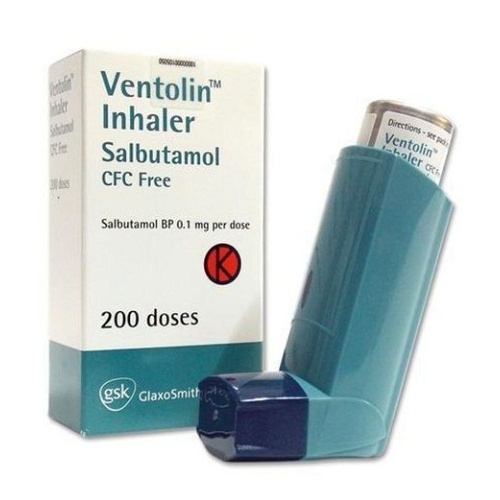
Can Ventolin Inhaler Be Obtained Without a Prescription in the United Kingdom?
No, you cannot legally obtain Ventolin Inhaler without a prescription in the United Kingdom. A valid prescription from a GMC-registered doctor is required for all forms of Ventolin Inhaler, including those issued via NHS or private practice. Over-the-counter sales are not permitted.
Key Takeaways
- Ventolin Inhaler (salbutamol) is primarily used for rapid relief of asthma symptoms and is suitable for most people with asthma or COPD who require a “reliever” inhaler.
- Effects are typically felt within minutes, but Ventolin does not treat the underlying inflammation of asthma—it is not a preventative medicine.
- A prescription is always required in the United Kingdom, whether obtained through the NHS or private healthcare.
- Overuse can lead to serious side effects; always follow your doctor’s instructions and seek medical advice if symptoms worsen rather than increasing doses yourself.
- Ventolin is generally safe when used correctly, but people with certain heart conditions or severe allergies should consult their healthcare provider before use.
- Always seek medical attention if you notice reduced effectiveness, signs of overdose, or severe side effects such as chest pain or rapid heartbeat.
What Is Ventolin Inhaler and Who Needs It?
Ventolin Inhaler is a branded inhaled medication containing salbutamol, widely prescribed in the United Kingdom for rapid relief of bronchospasm in conditions like asthma and chronic obstructive pulmonary disease (COPD). It is classified as a short-acting beta2-adrenergic agonist (SABA). Ventolin is used as a “reliever” inhaler—meaning it is employed to quickly ease sudden symptoms such as wheezing, breathlessness, or chest tightness, rather than for daily maintenance.
Individuals most likely to need Ventolin include:
- People diagnosed with asthma (all ages, including children)
- Patients with COPD who experience intermittent symptoms
- Individuals at risk of exercise-induced bronchoconstriction
How Does Ventolin Inhaler Work? (Mechanism of Action Explained)
The active ingredient in Ventolin Inhaler, salbutamol, is a highly selective beta2-adrenergic receptor agonist. When inhaled, it binds to beta2 receptors on the smooth muscle cells lining the airways (bronchi). This triggers activation of adenylate cyclase, which increases levels of cyclic AMP (cAMP) within these cells.
Higher cAMP causes relaxation of bronchial smooth muscle, resulting in rapid bronchodilation—the airways widen, breathing becomes easier, and symptoms such as wheezing and tightness are quickly relieved. This effect is typically felt within 5 minutes of inhalation and lasts for 4–6 hours.
Metaphor: Think of your airways as small flexible tubes. In asthma, these tubes can suddenly narrow or spasm, making it hard to move air in and out. Ventolin acts like a muscle relaxant for these tubes, quickly opening them so air can flow more freely.
Ventolin’s action is symptomatic—it treats acute bronchospasm but does not address the underlying airway inflammation characteristic of asthma. That is why long-term control medications remain critical for most patients.
For more on the biochemical mechanism, see: NHS: Salbutamol inhaler | MHRA: Ventolin Summary of Product Characteristics
Bridging the Expectation Gap: What Patients and Doctors Perceive Differently
In my experience, many patients believe that using their Ventolin Inhaler whenever symptoms arise means their asthma is well controlled. However, needing it more than twice a week can actually signal poor underlying control or excessive reliance on reliever medication. Patients often judge success by immediate symptom relief, but as a clinician, I focus on the bigger picture—frequency of use, nighttime symptoms, and limitations on daily activities. What’s less commonly discussed is the need to reassess overall inhaler technique, triggers, or step up preventive therapy when Ventolin is used frequently. I encourage patients to bring their inhaler to reviews so we can check technique together; it’s surprising how often suboptimal use or misunderstanding reduces its effectiveness.
How Should Ventolin Inhaler Be Used? (Dosage, Timing, and Duration)
The standard adult and adolescent dose for acute asthma symptoms or prevention of exercise-induced symptoms is one or two puffs (100–200 micrograms) as needed. For children, dosing is typically one puff (100 micrograms) as needed, but always follow your doctor’s instructions.
- Maximum dose: Do not exceed 8 puffs (800 micrograms) in 24 hours without medical advice.
- Onset of action: 3–5 minutes.
- Peak effect: Within 15–20 minutes.
- Duration of effect: Typically 4–6 hours per dose.
Important: If symptoms do not resolve or worsen after use, seek immediate medical attention—particularly if you require your Ventolin Inhaler more often than recommended.
Special populations: Elderly patients or those with kidney/liver impairment generally use standard dosing, but dose reductions or special monitoring may be needed if there is significant comorbidity. Always consult your doctor.
Canister notes: The Ventolin Evohaler delivers 200 actuations (puffs) per inhaler. Do not attempt to split or alter the canister. Use with a spacer (for children or those with poor technique) as directed.
Ventolin and Lifestyle: Food, Drink, and Daily Habits
- Food: Ventolin is inhaled, so absorption is not affected by meals or fasting. There is no impact of fatty food on its effect.
- Alcohol: Moderate alcohol consumption does not directly interact with Ventolin, but excessive intake may worsen asthma control. Always limit alcohol if you find it triggers symptoms.
- Grapefruit juice: No clinically significant interaction between grapefruit juice and salbutamol has been reported.
- Smoking: Smoking worsens respiratory symptoms and reduces the overall effectiveness of all asthma treatments.
- Exercise: Ventolin can be used 10–15 minutes before exercise to prevent symptoms. However, frequent need suggests poor control—speak to your doctor.
Myth: Ventolin Inhaler works for everyone, every time.
Reality: Inhaler effectiveness depends on correct technique, proper timing, and the underlying state of your asthma.
Who Should Not Use Ventolin Inhaler? (Contraindications and Cautions)
- Absolute contraindications
-
- Allergy to salbutamol or any excipient in the inhaler
- Relative contraindications (use with caution; doctor’s assessment required)
-
- Severe cardiovascular disease: Use with caution in those with arrhythmias, severe hypertension, or recent myocardial infarction as beta-agonists can increase heart rate and risk of palpitations.
- Thyrotoxicosis: May worsen symptoms.
- Uncontrolled diabetes: Salbutamol can raise blood glucose levels.
- Pregnancy and breastfeeding: Generally considered safe, but only use after a risk-benefit assessment by your doctor.
- Drug interactions
-
- Beta-blockers (e.g., propranolol): Can blunt Ventolin’s effect and may cause severe bronchospasm in asthmatics.
- Other sympathomimetics: Increased risk of side effects such as heart palpitations.
After a heart attack: Ventolin may be considered after a careful risk-benefit review, usually weeks after the event and under specialist supervision.
What Side Effects Are Most Common with Ventolin Inhaler?
- Very common (>1 in 10)
-
- Tremor (hands, fingers)
- Headache
- Common (1 in 10 to 1 in 100)
-
- Palpitations or rapid heartbeat (tachycardia)
- Muscle cramps
- Mild throat irritation or cough after use
- Rare (<1 in 1,000)
-
- Paradoxical bronchospasm (worsening breathlessness)
- Low blood potassium (hypokalaemia), which can worsen heart rhythm disorders
- Allergic reactions (rash, swelling, severe dizziness)
- Very rare (<1 in 10,000)
-
- Chest pain or angina, especially in those with underlying heart disease
- Serious allergic reaction (anaphylaxis)
Why do these occur? Beta2-agonists like salbutamol can stimulate receptors in the heart and muscles, leading to tremors, palpitations, and muscle cramps. Throat irritation is usually due to the inhaled powder or mist.
What to do if you experience side effects?
- Mild and expected (tremor, mild palpitations): Usually settle as your body adapts. Inform your doctor if persistent.
- Severe or unexpected (chest pain, severe palpitations, paradoxical bronchospasm): Stop using the inhaler and seek immediate medical attention.
- Allergic reaction (rash, swelling, trouble breathing): Call 999 or attend A&E immediately.
Real-World Patient Pitfalls: Preventable Mistakes with Ventolin Inhaler
- Incorrect inhaler technique: Many patients do not inhale deeply or coordinate actuation with inhalation, leading to poor drug delivery to the lungs. Tip: Review your technique with your GP, nurse, or pharmacist regularly.
- Overusing the inhaler for every cough or discomfort: Ventolin is for wheeze or breathlessness, not for viral coughs or throat irritation alone. Overuse increases risk of side effects.
- Not carrying the inhaler at all times: Asthma symptoms can be unpredictable. Always have your reliever inhaler on you, especially during triggers (exercise, allergens, cold air).
- Ignoring the need for regular review: Using more than two puffs per week (outside of exercise) is a signal that your asthma may be poorly controlled. Do not just “top up”—see your doctor.
- Using expired or empty inhalers: Check the dose counter or test spray if uncertain. An empty or expired canister may leave you unprotected during an attack.
- Failing to rinse mouth after use: While not as critical as with steroid inhalers, rinsing can reduce throat irritation and cough.
- Not recognising worsening asthma: Delaying medical help during an asthma attack is dangerous. If Ventolin provides less relief, seek urgent help rather than increasing the dose yourself.
How Does Ventolin Compare with Alternatives? (Competitor Table)
For most patients, Ventolin (salbutamol) is the first-choice reliever. However, there are alternatives:
| Product | Active Ingredient | Onset | Duration | Typical Side Effects | Estimated Price (NHS/private, GBP) |
|---|---|---|---|---|---|
| Ventolin Inhaler | Salbutamol | 3–5 min | 4–6 hrs | Tremor, palpitations | £7–£12 |
| Airomir Inhaler | Salbutamol | 3–5 min | 4–6 hrs | Similar | £6–£10 |
| Bricanyl Turbohaler | Terbutaline | 2–5 min | 6 hrs | Headache, tremor | £10–£14 |
| Salamol Inhaler (Generic) | Salbutamol | 3–5 min | 4–6 hrs | Similar | £6–£10 |
- Ventolin and Salamol are both salbutamol and essentially equivalent in clinical effect.
- Bricanyl (terbutaline) is an alternative for those with salbutamol intolerance or specific side effect profiles.
- Prices vary by pharmacy and prescription charge exemptions.
Ventolin Inhaler: Technical and Product Information
| Parameter | Value |
| Active ingredient | Salbutamol sulphate (100 micrograms per actuation) |
| Formulation | Pressurised metered-dose inhaler (pMDI), Evohaler |
| Total actuations per canister | 200 |
| Storage | Below 30°C; do not freeze; protect from sunlight |
| Manufacturer | GlaxoSmithKline |
| Legal status (UK) | Prescription-only medicine (POM) |
| Disposal | Return empty or expired inhalers to your pharmacy (do not throw in household waste) |
Compatibility of Ventolin Inhaler with Other Medications and Products
| Type of Product | Can It Be Combined? | Consequences / Comments |
|---|---|---|
| Inhaled corticosteroids (ICS) | Yes | Often combined for control + relief |
| Beta-blockers | NO | May block Ventolin’s effect; risk of severe bronchospasm |
| Other SABA (e.g., terbutaline) | Use with caution | May increase side effects if overused—avoid duplication |
| MAO inhibitors, tricyclic antidepressants | Caution | May potentiate cardiovascular effects |
| Alcohol | Yes (in moderation) | Excessive alcohol can worsen asthma; no direct interaction |
| Grapefruit juice | Yes | No known interaction |
How Ventolin Is Processed in the Body (Pharmacokinetics and Metabolism)
- Absorption: Following inhalation, about 10–20% of the dose reaches the lower respiratory tract; the remainder is swallowed and minimally absorbed via the gut.
- Metabolism: Salbutamol is mainly metabolised in the liver by conjugation to an inactive sulphate.
- Elimination: Excreted primarily in the urine (70–90%) as both unchanged and conjugated forms. Some is excreted in faeces.
- Half-life (T½): Approximately 3.8–6 hours.
Implications: The short half-life and rapid action mean Ventolin is suited for acute symptom relief rather than long-term control.
Considerations for Specific Patient Groups
- Elderly patients:
- Dosing generally unchanged, but monitor more closely for cardiovascular side effects (palpitations, arrhythmia).
- Pregnancy and breastfeeding:
- Salbutamol is widely used in pregnancy when benefits outweigh risks. It does cross the placenta but has not shown increased birth defects in large studies. Discuss with your doctor before use.
- Children:
- Standard doses are typically used from age 4 upwards. Spacers may be recommended for optimal delivery.
- Kidney or liver impairment:
- Use with caution. Elimination may be slower, but dose adjustment is rarely needed unless impairment is severe.
- Driving and operating machinery:
- Ventolin does not typically impair ability, but rare side effects (tremor, dizziness) may affect some users.
- Fertility:
- No evidence of adverse effects on human fertility at normal inhaled doses.
Quality Check: How to Identify Genuine Ventolin Inhaler
- Packaging: Original Ventolin Inhaler comes in a blue and white box with the GlaxoSmithKline (GSK) logo. The Evohaler is typically blue plastic with a white actuator and clearly printed batch number and expiry date.
- Labelling: Genuine products have clear, consistent font, batch numbers, and UK licence number (PL 10949/0030) printed on both canister and box.
- Security features: Many pharmacies now stock packs with QR codes or holographic seals—scan with your phone or verify with the pharmacist.
- Price warning: Unusually low prices or missing UK pharmacy labelling are red flags for counterfeit or “grey market” imports.
- Pharmacy source: Always obtain from a registered UK pharmacy (online or on the high street).
If in doubt: Your pharmacist can verify authenticity. Never use products with missing packaging, altered expiry dates, or foreign labelling unless prescribed by your UK doctor.
How to Spot Counterfeit Ventolin Inhalers and Understanding Generics
- Counterfeit signs: Unusual canister colour, foreign-language packaging, spelling errors, batch numbers that do not match, or inhalers not matching NHS descriptions.
- Generics: Legitimate generic salbutamol inhalers (e.g., Salamol, Airomir) are available in the United Kingdom. These must meet the same regulatory standards for purity, dose accuracy, and clinical effect as Ventolin.
- Excipients: Inactive ingredients (colourants, propellants) may differ between brands. Rarely, these can cause hypersensitivity reactions, especially in those allergic to soya or certain propellants.
- Which to choose? Most patients tolerate either branded or generic products equally well. Some notice differences in taste, propellant feel, or device operation.
Advantage of generics: Lower price, identical effect if used correctly. Always ask your pharmacist if you are unsure whether your prescribed inhaler is a generic or the original branded version.
Staying Safe: Choosing a Reputable Pharmacy in the United Kingdom
- Pharmacy verification: Only use pharmacies registered with the General Pharmaceutical Council (GPhC). Look for the GPhC logo and pharmacist presence on the premises or on the website.
- Online pharmacies: Check the MHRA’s online medicines sellers register for approved online sellers.
- Warning signs of unsafe sellers: No registered address, offers to sell prescription-only medicines without a prescription, no pharmacist contact, prices much lower than the market average, or no UK contact information.
- Risks of unregulated sources: Counterfeit medicines, incorrect dosing, absence of clinical review, and violation of UK law.
- If in doubt: Contact the GPhC or MHRA for verification.
Step-by-Step: How to Obtain Ventolin Inhaler Legally in the United Kingdom
- Book an appointment with your GP, asthma nurse, or a qualified private doctor (in-person or via a regulated telemedicine service).
- Undergo an assessment (history, symptoms, sometimes spirometry or peak flow measurement).
- Receive a prescription if Ventolin is appropriate. The doctor may provide a physical prescription or send it electronically to your chosen pharmacy.
- Collect your inhaler at a registered pharmacy (NHS or private). If using an online pharmacy, the prescription is verified before dispatch.
- Follow up regularly with your healthcare provider to review asthma control and inhaler technique.
What to Do in Case of Overdose
- Stop using Ventolin Inhaler immediately.
- Call 999 or seek urgent medical attention if you notice symptoms of overdose such as severe palpitations, chest pain, significant tremor, or faintness.
- Inform the medical team about the amount of Ventolin taken and bring the inhaler packaging if possible.
- Do not attempt self-treatment for overdose—serious consequences such as abnormal heart rhythms may occur.
Symptoms of overdose: Rapid heartbeat, severe tremor, chest pain, low blood potassium (which can cause muscle weakness or abnormal heart rhythms), and rarely, seizures.
Managing Asthma: Psychological Support and Wellbeing
Living with asthma or COPD is common, and many people find it manageable with the right treatment and support. If you feel anxious about your symptoms or medication, remember that these feelings are normal—discuss your concerns with your GP, asthma nurse, or a mental health professional. Support groups (local or online) and talking to friends or family can help reduce stress and improve your confidence in managing your condition.
Questions Patients Frequently Ask Doctors about Ventolin Inhaler
- How will I know if my Ventolin Inhaler is working properly?
- Relief should come within 5 minutes of inhalation. If you notice reduced effect, check your technique and inhaler expiry date, and consult your doctor if problems persist.
- Is it safe to use Ventolin every day?
- Occasional use is safe, but daily reliance (outside of exercise) often points to poor asthma control. You may need a preventer inhaler or a review of your treatment plan.
- What should I do if I miss a dose I planned to use before exercise?
- Use a puff as soon as you remember, provided you have not exceeded the maximum daily dose. If symptoms occur during exercise, stop and use your inhaler; review with your doctor if this happens regularly.
- Can I use my inhaler if I have a cold or chest infection?
- Yes, as symptoms may worsen during respiratory infections. However, if you need more inhaler than usual, or symptoms are severe, seek medical review.
- How do I monitor my progress on Ventolin?
- Keep a record of how often you use your inhaler and bring it to asthma reviews. Your doctor may ask about night-time symptoms, activity limitation, and provide a peak flow meter for self-monitoring.
- Are there any long-term risks from using Ventolin?
- Used as directed, long-term risks are minimal. Chronic overuse, however, may signal poorly controlled asthma and can increase the likelihood of side effects.
- Can other family members use my inhaler in an emergency?
- No. Inhalers are prescribed for individuals after assessment. If anyone else has asthma symptoms, they should seek their own diagnosis and prescription.
doctor’s Practical Treatment Assessment of Ventolin Inhaler
In my clinical judgement, Ventolin Inhaler remains the first-line reliever for most people with asthma or COPD experiencing intermittent bronchospasm. Patients who benefit most are those with infrequent symptoms, good inhaler technique, and no significant cardiovascular risk. However, those needing Ventolin more than twice a week (outside of exercise) or who experience nocturnal symptoms should have their treatment reviewed, as frequent use signals suboptimal asthma control. Ventolin may be less suitable for those with poorly controlled heart arrhythmias or those who have not mastered correct inhaler technique—alternative devices (such as dry powder inhalers or spacers) may improve outcomes. In rare cases, patients with hypersensitivity to excipients or severe lactose intolerance may require a different formulation. In summary, while Ventolin is safe and effective when used as recommended, it should always be part of a structured asthma management plan, with periodic reassessment and a focus on both symptom relief and long-term control.
Frequently Asked Questions (FAQ)
- How quickly does Ventolin Inhaler work?
- Effects are usually felt within 3–5 minutes of inhalation, with peak benefit at around 15–20 minutes.
- Do I need a prescription for Ventolin in the United Kingdom?
- Yes, all forms of Ventolin Inhaler require a valid prescription from a UK-registered doctor.
- What is the shelf life of Ventolin Inhaler?
- Typically 2–3 years unopened. After opening, use within the expiry date printed on the packaging or six months, whichever comes first.
- Can I use Ventolin Inhaler alongside other asthma medicines?
- Yes, it is commonly used with preventer inhalers (such as inhaled steroids). Always inform your doctor of all medications you use.
- How much does Ventolin Inhaler cost in the UK?
- On NHS prescription, the standard fee applies (currently £9.65 per item as of 2026). Private prices typically range from £7–£12 per inhaler.
- Is Ventolin safe during pregnancy?
- Yes, if used as prescribed. Most guidelines support its use when necessary for symptom relief in pregnancy.
- What should I do if my inhaler runs out or is lost?
- Contact your GP or pharmacy immediately for a replacement. In emergencies, NHS 111 can advise on urgent prescriptions.
- Can I buy Ventolin Inhaler online?
- Only from registered UK online pharmacies with a valid prescription. Avoid unregulated sellers to prevent counterfeit risks.
- What if Ventolin does not relieve my symptoms?
- Seek urgent medical review; ineffective relief may signal an asthma attack or incorrect inhaler use.
- Are generic alternatives to Ventolin available?
- Yes, Salamol and Airomir are approved generic salbutamol inhalers with equivalent efficacy.
References
- NHS. Salbutamol inhaler (Ventolin, Salamol, Airomir). Accessed June 2026. https://www.nhs.uk/medicines/salbutamol-inhaler/
- Medicines and Healthcare products Regulatory Agency (MHRA). Ventolin Evohaler Summary of Product Characteristics. Accessed June 2026. https://www.medicines.org.uk/emc/product/1022/smpc
- British Thoracic Society/Scottish Intercollegiate Guidelines Network. British guideline on the management of asthma. Updated 2025. https://www.brit-thoracic.org.uk/quality-improvement/guidelines/asthma/
- National Institute for Health and Care Excellence (NICE). Asthma: diagnosis, monitoring and chronic asthma management (NG80). Updated 2026. https://www.nice.org.uk/guidance/ng80
- General Pharmaceutical Council. Register of UK pharmacies. Accessed June 2026. https://www.pharmacyregulation.org/
- World Health Organization. Global Initiative for Asthma. 2025 Report. https://ginasthma.org/
- EMA. Public assessment report: Salbutamol. https://www.ema.europa.eu/en
- PubMed. Recent studies on salbutamol in asthma management. https://pubmed.ncbi.nlm.nih.gov/